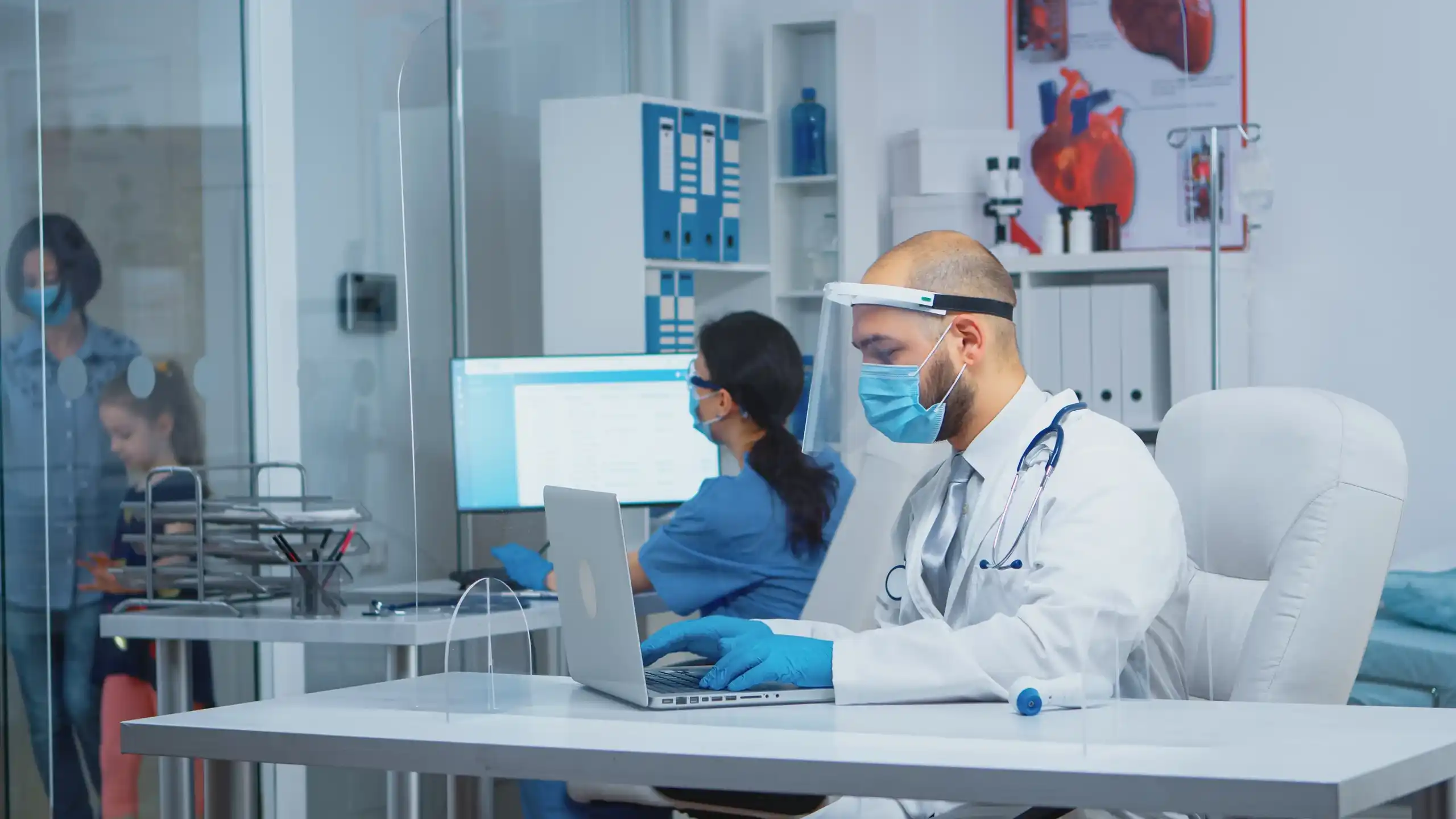

Every day is different for a hospital. In a single day, hospitals manage not one but multiple
emergency cases. Managing bed availability during a surge, reviewing billing performance
at month-end, and tracking department efficiency are the tasks that hospital staff manage
daily alongside direct patient care. That is exactly where a Management Information
System changes the game.
Medinous has built an MIS Dashboard directly into its hospital management platform, giving
CEOs, CFOs, and department heads a live, structured view of hospital operations without
waiting for manual reports to be compiled.
What Is a Management Information System in a Hospital?
A Management Information System in a hospital is a digital framework that collects,
processes, and presents operational and clinical data in a structured, decision-ready format.
Checking spreadsheets and documents across various departments is not an easy task. A
management information system allows you to update recent data, and a single interface
maintains data for all departments.
Think of it as the command center for hospital leadership. From a single screen, an
executive can review patient volumes, financial performance, staff utilization, and
department-level metrics all live.
Why MIS in Hospital Management Is No Longer Optional
The days of waiting for weekly or monthly reports are over. MIS in hospital management has
moved from a useful tool to an operational necessity. Hospitals relying on delayed reporting
are exposed to blind spots, claim rejections that go unnoticed, capacity issues, and revenue
leakage that compounds over time.
As hospitals scale, the volume and complexity of data grows faster than any manual
reporting system can handle. Real-time dashboards fill this gap, letting leaders spot and
address issues immediately before they become serious problems.
MIS VS. REPORTING TOOL-THE KEY DIFFERENCE
A reporting tool shows you what happened. An MIS dashboard shows you what is
happening right now.
The Medinous MIS Dashboard aggregates data from clinical, financial, and administrative
modules simultaneously and presents each leadership role a view built around their
specific decisions, not a shared summary they have to filter themselves.
What Hospital Leaders Can See on the Medinous MIS Dashboard
The Medinous management information system hospital dashboard is built to serve the specific needs of each leadership tier. Here is what the platform surfaces.
Real-Time Data for Hospital Administrators: Key Metrics at a Glance
For hospital administrators, real-time data includes patient registration volumes, current bed occupancy, emergency department wait times, discharge processing status, and outpatient appointment loads. These metrics allow administrators to manage daily flow without relying on verbal updates from department supervisors.
The dashboard allows administrators to configure which KPIs appear on their view, keeping the screen relevant and free from information overload.
Financial and Operational Overview in One View
Financial leaders and COOs can monitor billing totals, outstanding claims, collections status, and revenue per department all without generating manual reports. The system surfaces accounts receivable aging, insurance claim approval rates, and revenue leakage indicators, making it possible to catch financial issues while there is still time to act.
Operational data sits alongside financial data, so leaders can see whether a drop in revenue correlates with a rise in claim rejections or a change in department throughput, giving the data real context.
Department-Wise Performance Tracking
Each department has its own performance indicators, and the Medinous MIS Dashboard allows leaders to drill down into departmental metrics without leaving the dashboard. Radiology turnaround times, laboratory test completion rates, pharmacy dispensing speed, and surgical scheduling efficiency can all be monitored by the relevant department head or by hospital leadership.
This visibility helps managers identify bottlenecks quickly and allocate resources more effectively without waiting for a weekly operations meeting.
Key Modules of the Hospital Executive Dashboard
The hospital executive dashboard within Medinous is structured around the metrics that matter most to senior leaders.
Patient Flow and Bed Occupancy in Real Time
Patient flow is one of the most time-sensitive pieces of data. The Medinous MIS Dashboard shows real-time bed occupancy across wards, current patient census, admission and discharge rates, and waiting times in emergency and outpatient settings.
Bed managers and administrators can respond to capacity pressures dynamically, moving patients through the system more efficiently and reducing bottlenecks that affect care quality and patient satisfaction.
Revenue, Billing and Collections Summary
For CFOs and billing managers, the dashboard provides an up-to-date picture of billing activity including the total invoices raised, claim submissions by payer, pending collections, and payment receipt status. Leaders can monitor whether collections are on track against monthly targets and identify high-value claim rejections that require immediate follow-up.
The Medinous platform integrates billing data with NPHIES claim tracking and ZATCA invoicing status, so financial leaders see a unified picture that covers both compliance health and revenue health simultaneously.
NPHIES AND ZATCA INTEGRATION – WHY IT MATTERS IN SAUDI ARABIA
Saudi Arabia’s mandatory NPHIES requirement means every insurance claim must carry structured clinical data. ZATCA e-invoicing adds a compliance layer on top of that. Most hospitals track these separately-one team managing NPHIES submissions, another managing ZATCA compliance. The Medinous MIS Dashboard surfaces both on a single screen, so finance leadership sees the full picture without switching systems or waiting for a compliance report.
Staff and Resource Utilization Reports
The Medinous MIS Dashboard tracks staff utilization by department, shift, and role. Leaders can see whether departments are overstaffed or understaffed relative to current patient volumes and adjust rostering accordingly.
Resource utilization data also covers medical equipment usage, operating theater schedules, and ICU capacity, helping operations leaders deploy assets where they are needed most.
Why Do Hospital Leaders Trust Medinous for Real-Time Data?
Management Information System Hospital-Grade Security
The Medinous management information system hospital platform applies role-based access controls and encrypted data transmission to protect sensitive hospital information. Only authorized users can access relevant data layers, and audit trails are maintained for every system action.
This level of security aligns with Saudi Arabia’s healthcare data governance standards and the requirements of facilities seeking JCI or CBAHI accreditation.
Role-Based Access for Different Leadership Levels
Different leaders need different data. A CEO needs strategic summaries. A CFO needs financial granularity. A nursing manager needs ward-level operational data. The Medinous MIS Dashboard supports configurable, role-based views that serve each user’s specific function without exposing information beyond their access level.
Mobile and Remote Dashboard Access
Hospital leadership does not always happen from a desktop terminal. The Medinous platform supports mobile access to the MIS Dashboard, allowing leaders to check key metrics from any device, at any time, with full data security maintained.
How to Get Started with the Medinous MIS Dashboard
Implementation Timeline
The Medinous HMS implementation timeline varies by hospital size and module scope, but the MIS Dashboard is fully integrated into the platform. Once the core HMS is live, the dashboard is immediately populated with data from connected modules. Dedicated project management support during implementation minimizes disruption to ongoing hospital operations.
Training and Onboarding for Hospital Teams
Medinous provides comprehensive training for clinical and administrative teams. For the MIS Dashboard, leadership-level training covers dashboard customization, KPI interpretation, and how to use drill-down reports to investigate specific performance issues.
Real User Scenarios: How Different Leaders Use the Dashboard
How a CEO Uses the Hospital Executive Dashboard Daily
A CEO typically opens the hospital executive dashboard first thing each morning. In under five minutes, they can review admissions versus capacity, whether financial performance is on target, and which departments are flagging issues, replacing time-consuming briefings with current, actionable data.
How a CFO Tracks Financial Data in Real Time
A CFO uses the Medinous dashboard to monitor claim submission rates, insurance approval timelines, outstanding receivables, and cost versus revenue trends by department. When claim rejection rates spike in a specific area, the CFO can identify the pattern immediately and direct the billing team to act before claims fall outside payer filing windows.
How a Department Head Uses Operational Data
A head of radiology might track daily scan volumes, report turnaround times, and equipment utilization through the dashboard. If turnaround time starts slipping, they can identify whether the issue lies in imaging capacity, staffing, or reporting speed and take targeted action rather than guessing.
What Each Role Sees at a Glance
CEO — admissions vs. capacity, revenue on target, department-level flags
CFO — claim submission rates, AR aging, NPHIES and ZATCA compliance status
COO — department throughput, discharge efficiency, staff utilization vs. patient load
Department Head — specialty KPIs: turnaround times, completion rates, scheduling efficiency
Billing Manager — rejection patterns by payer, high-value denials, collections vs. target
Nursing Manager — ward occupancy, patient census, ICU capacity, live staffing levels
The Medinous MIS Dashboard puts this kind of clarity within reach for every department, at every level. Request a demo today and explore how real-time data can reshape the way your hospital leadership team operates.